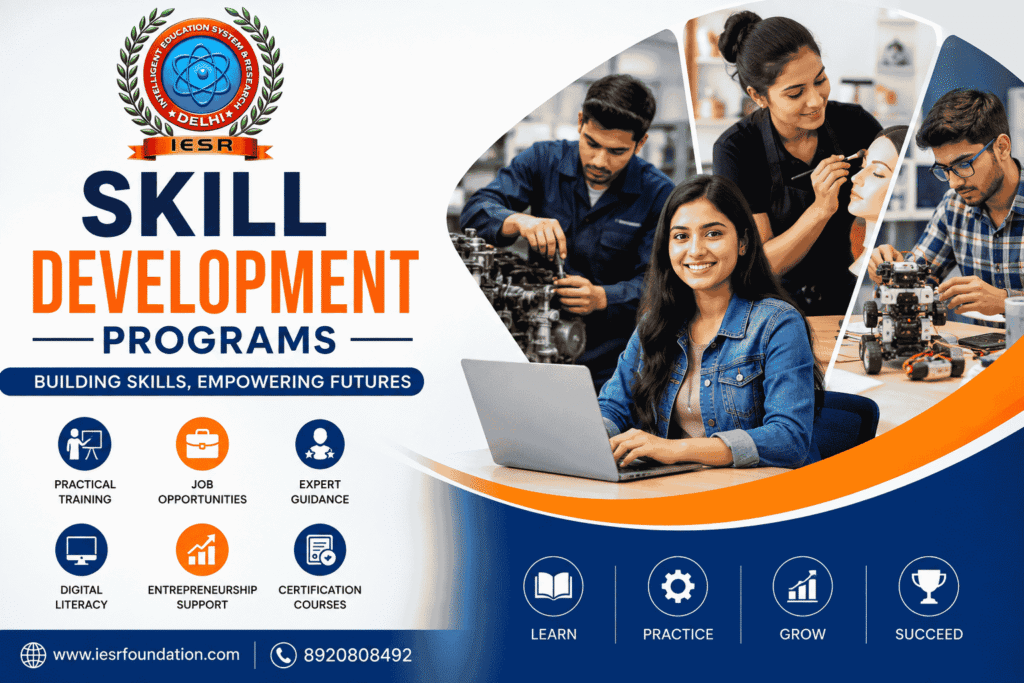
In today’s competitive world, having the right skills is just as important as having formal education. Skill Development Program help students, young people, job seekers, women, and other learners develop practical knowledge and job-ready abilities that can improve their career opportunities.
Skill development can include technical training, digital skills, communication, vocational education, entrepreneurship, computer training, and other industry-relevant abilities. With the growing demand for skilled professionals, skill development courses have become an important pathway toward employment and economic independence.
Organizations such as NGOs, training institutes, educational organizations, and government initiatives work to make skill development training accessible to people from different backgrounds.
What Are Skill Development Program?
Skill Development Program are structured training initiatives designed to help individuals acquire practical, technical, professional, or entrepreneurial skills.
Unlike traditional education, which often focuses heavily on theoretical knowledge, skill-based training emphasizes practical learning and real-world applications. These programs can prepare learners for employment, self-employment, entrepreneurship, internships, and further professional development.
Common areas covered by skill development programs include:
- Computer and digital literacy
- Communication and soft skills
- Vocational training
- Retail and customer service
- Beauty and wellness
- Healthcare support
- Handicrafts and creative skills
- Entrepreneurship
- Office administration
- Financial literacy
- Technical and industry-specific skills
Why Are Skill Development Programs Important?
The job market is constantly changing because of technology, digital transformation, and evolving industry requirements. Skill development training programs help learners keep pace with these changes.
1. Improves Employability
Employers increasingly look for candidates who can demonstrate practical abilities. Job-oriented skill development courses can help learners become better prepared for employment.
2. Provides Practical Knowledge
Skill-based education focuses on learning by doing. Participants can develop practical knowledge that may be directly useful in the workplace.
3. Supports Youth Employment
Young people can use vocational training and employment-oriented programs to develop skills required for entry-level jobs and career opportunities.
4. Encourages Entrepreneurship
Some programs introduce learners to entrepreneurship, business basics, financial management, and digital marketing. These skills can help individuals explore self-employment opportunities.
5. Promotes Digital Literacy
Digital skills are increasingly required in education, employment, business, and everyday life. Computer training and digital literacy programs can help bridge the digital skills gap.
6. Supports Women’s Empowerment
Skill development for women can provide opportunities to learn vocational and entrepreneurial skills, supporting greater financial independence and participation in the workforce.
Types of Skill Development Programs
There are many different types of skill development courses in India, depending on the learner’s interests and career goals.
Vocational Training Programs
Vocational training focuses on practical occupations and industry-specific skills. These programs may include areas such as tailoring, beauty and wellness, electrical work, retail, hospitality, healthcare assistance, and other trades.
Digital Skill Development
Digital training may cover computer fundamentals, internet usage, office applications, digital communication, online safety, and other technology-related skills.
Soft Skills Training
Employability depends on more than technical knowledge. Communication, teamwork, problem-solving, time management, presentation skills, and interview preparation can also be important.
Job-Oriented Courses
Job-oriented training is designed around practical skills that may be relevant to specific employment opportunities. Such programs can include workplace readiness, resume preparation, interview skills, and industry-specific training.
Entrepreneurship and Self-Employment Training
Entrepreneurship programs can introduce learners to business planning, customer management, marketing, financial literacy, and basic business operations.
Government Skill Development Courses in India
The Government of India and various state-level organizations have introduced several initiatives focused on vocational education, employability, entrepreneurship, and workforce development.
People searching for a Skill Development courses list by Government may find courses and training opportunities across areas such as information technology, healthcare, retail, construction, beauty and wellness, agriculture, automotive services, hospitality, and other sectors.
The availability, eligibility criteria, training partners, course duration, assessment, and certification can vary between programs. Therefore, learners should always check the current information on the relevant official government or authorized training portal before applying.
Free Skill Development Courses by Government
For learners who may not be able to afford private training, Free Skill Development courses by Government can provide an important opportunity to gain practical skills.
Government-supported initiatives may offer subsidized or free training depending on the particular scheme, course, location, eligibility criteria, and training provider.
Learners should check:
- Eligibility requirements
- Course availability
- Training center details
- Course duration
- Assessment requirements
- Certification information
- Whether the course is completely free or subsidized
It is important to verify these details through official sources because course offerings and eligibility can change.
Skill India and Skill Development Opportunities
Skill India represents a major national focus on developing a skilled workforce and improving access to vocational and employment-oriented training.
Under the broader skill development ecosystem, learners can explore training opportunities across different sectors. Depending on the program, participants may receive practical training, assessment, and certification.
Those looking for a Skill India free courses list should check current official listings because available courses, training providers, locations, and eligibility requirements may change over time.
Skill India Free Courses With Certificate
Many learners search for Skill India free courses with certificate because certification can be useful when demonstrating completed training to employers or other organizations.
However, not every course or training opportunity has identical certification conditions. Learners should verify whether a particular course includes assessment and certification and whether the certificate is issued by an authorized organization.
A certificate can strengthen a resume, but practical ability, experience, communication, and job performance remain important factors in employment.
Benefits of Skill Development Training
A well-designed skill development program can provide several benefits:
- Develops practical and job-ready skills
- Improves confidence and communication
- Supports employment opportunities
- Encourages self-employment
- Promotes digital literacy
- Helps learners understand workplace expectations
- Supports career growth
- Provides opportunities for continuous learning
- Encourages entrepreneurship
- Helps bridge the gap between education and industry requirements
Role of NGOs in Skill Development
NGOs can play an important role in expanding access to skill development programs for communities that may have limited educational or employment opportunities.
NGO-led training initiatives may focus on youth, women, disadvantaged communities, unemployed individuals, school or college students, and other groups.
Organizations such as IESR Foundation can contribute to skill development by promoting education, practical learning, career awareness, and community development initiatives.
How to Choose the Right Skill Development Course
Choosing the right course depends on your education, interests, career goals, and existing abilities.
Before enrolling, consider:
Identify Your Career Goal
First decide whether you want employment, entrepreneurship, freelancing, higher education, or a career change.
Check Course Content
Review the syllabus and make sure the course teaches practical skills relevant to your goal.
Verify Training Provider
Choose a credible training organization and verify its credentials, trainers, facilities, and course information.
Check Certification
If certification is important to you, confirm who issues the certificate and what assessment is required.
Consider Practical Training
Courses that include hands-on practice, projects, demonstrations, or workplace exposure can provide valuable experience.
Check Eligibility and Duration
Always review age, educational qualifications, location, fees, course duration, and other requirements before applying.
Skill Development for Youth
Youth skill development is particularly important because young people are entering an employment market where employers increasingly value practical and digital abilities.
Training in communication, computer literacy, vocational skills, entrepreneurship, and workplace readiness can help young people become more confident and career-ready.
Combining education with practical training can help create a stronger foundation for long-term career development.
Skill Development for Women
Skill development can also support women who want to enter or return to the workforce. Courses in digital skills, tailoring, beauty and wellness, entrepreneurship, office administration, handicrafts, and other fields can create pathways toward employment or self-employment.
Accessible training, flexible learning opportunities, career guidance, and entrepreneurship support can make skill development more effective for women.
How Skill Development Can Support a Better Future
Skill development is not limited to learning one particular trade. It is a continuous process of improving knowledge, practical abilities, communication, and adaptability.
As industries evolve, people who continue learning and updating their skills can be better prepared for changing employment requirements.
Whether you are a student, job seeker, young professional, homemaker, entrepreneur, or someone looking for a new career direction, a suitable skill development program can be a valuable step toward personal and professional growth.
Conclusion
Skill Development Programs can help bridge the gap between education and employment by providing practical, technical, digital, and professional skills. Government initiatives, NGOs, educational organizations, and training institutions all have an important role to play in making quality skill development accessible.
From free skill development courses by government to vocational training, digital literacy, soft skills, entrepreneurship, and job-oriented programs, learners have many potential pathways to improve their abilities.
Before choosing a course, always verify the eligibility criteria, curriculum, training provider, certification, duration, and current availability. Most importantly, select training that aligns with your career goals and provides practical value.
Frequently Asked Questions (FAQs)
Q1. What is the Skill Development courses list by Government?
Government-supported skill development courses can cover sectors such as IT and digital services, healthcare, retail, construction, agriculture, automotive, hospitality, beauty and wellness, and other industries. The exact course list depends on the current government scheme, training provider, location, and eligibility criteria.
Q2. Are there Free Skill Development courses by Government?
Yes, various government-supported initiatives may provide free or subsidized skill training for eligible learners. Availability depends on the particular scheme, course, location, and eligibility requirements. Applicants should verify current information through official sources.
Q3. What is Skill India?
Skill India is a national initiative focused on developing skills and improving access to vocational training and employment-oriented learning opportunities across India.
Q4. Where can I find a Skill India free Courses list?
The current Skill India course offerings can vary by sector, location, training provider, and program. Learners should check the official Skill India ecosystem and authorized training portals for current course listings.
Q5. Can I find Skill India free Courses with certificate?
Some eligible training programs may include assessment and certification. However, certification conditions vary by course and program. Learners should confirm the certification details before enrollment.